Discover Architectural Gems
The 12th Open House Prague festival takes place May 18–24, 2026. The festival starts on May 18 with a series of accompanying events. On the weekend of May 23–24, more than 100 usually inaccessible buildings and spaces open their doors to the public across Prague for free. Some buildings also offer tours in English. This year’s festival takes place under the auspices of First Lady Eva Pavlová.
The full list of all open buildings can now be found on our website. The festival’s information center at the Hybernská Campus opens on Monday, May 18. For updates from the buildings during the festival weekend, we recommend that you use our mobile app Open House Praha.
The City Belongs to All of Us
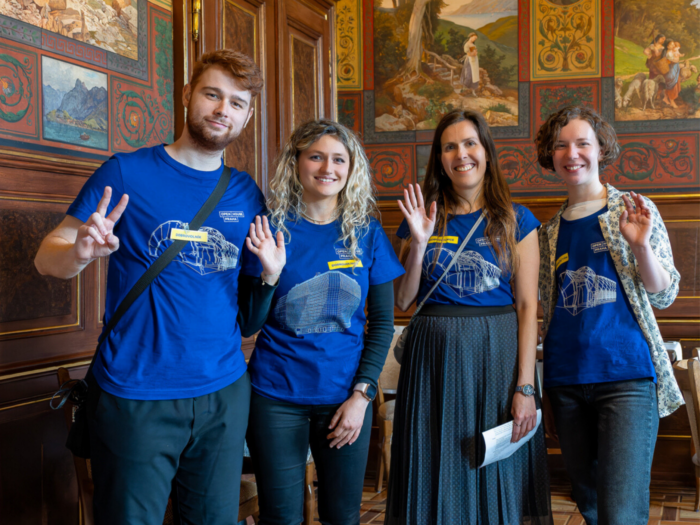
The festival program caters to children and visitors from abroad and has long been working to remove barriers for people with hearing or visual impairments. The entire festival relies on its volunteer community. We can only open the city to you thanks to the hundreds of volunteers who help coordinate the festival and guide visitors through the open buildings. Anyone interested in getting a behind-the-scenes look at the event’s preparations and getting involved in organizing Prague’s largest architecture festival is welcome to sign up. The ambassador for the volunteer program is Lejla Abbasová, a TV host, former spokesperson for the Minister of Human Rights and National Minorities, and a volunteer.
Monuments in Motion: Preservation, Dialogue & Future of the City
One of this year’s central themes is the relationship between architectural preservation and urban development. The program for this year’s Open House Prague features buildings that have retained their original function to this day and continue to evolve in harmony with the city’s changing needs. These include schools, archives, town halls, and cultural institutions, as well as numerous palaces. Alongside them are sites that clearly demonstrate how architecture can adapt to the changing needs of the city and its residents: technical facilities, former factories, industrial complexes, and sports venues that are adapting to the new demands of the modern metropolis and finding new ways to be utilized.
The festival opens a discussion on how historic buildings can keep pace with a developing metropolis, adapt to changing needs, and help shape the vibrant ecosystem of the city. Dialogue between developers, preservationists, architects, and political representatives is essential for the creation of a vibrant city. Through their significance, context, and transformation, historic buildings demonstrate that architecture is a living organism regardless of its age.
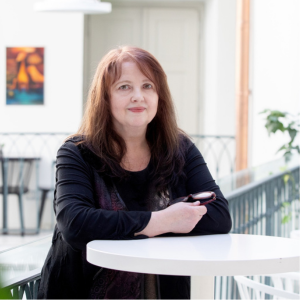
“Historic buildings are not just the backdrop of the city – they are the bearers of our memory. If we let them disappear, we will lose a part of our own identity. This year’s Open House Prague therefore draws attention to buildings that stand at a crossroads, where decisions on saving some have been long pending and remain undecided. We believe that the path forward does not lead to their demolition, but to sensitive restoration and new uses that will restore both their life and purpose. That is precisely why it is important to open them to the public and showcase their value.”
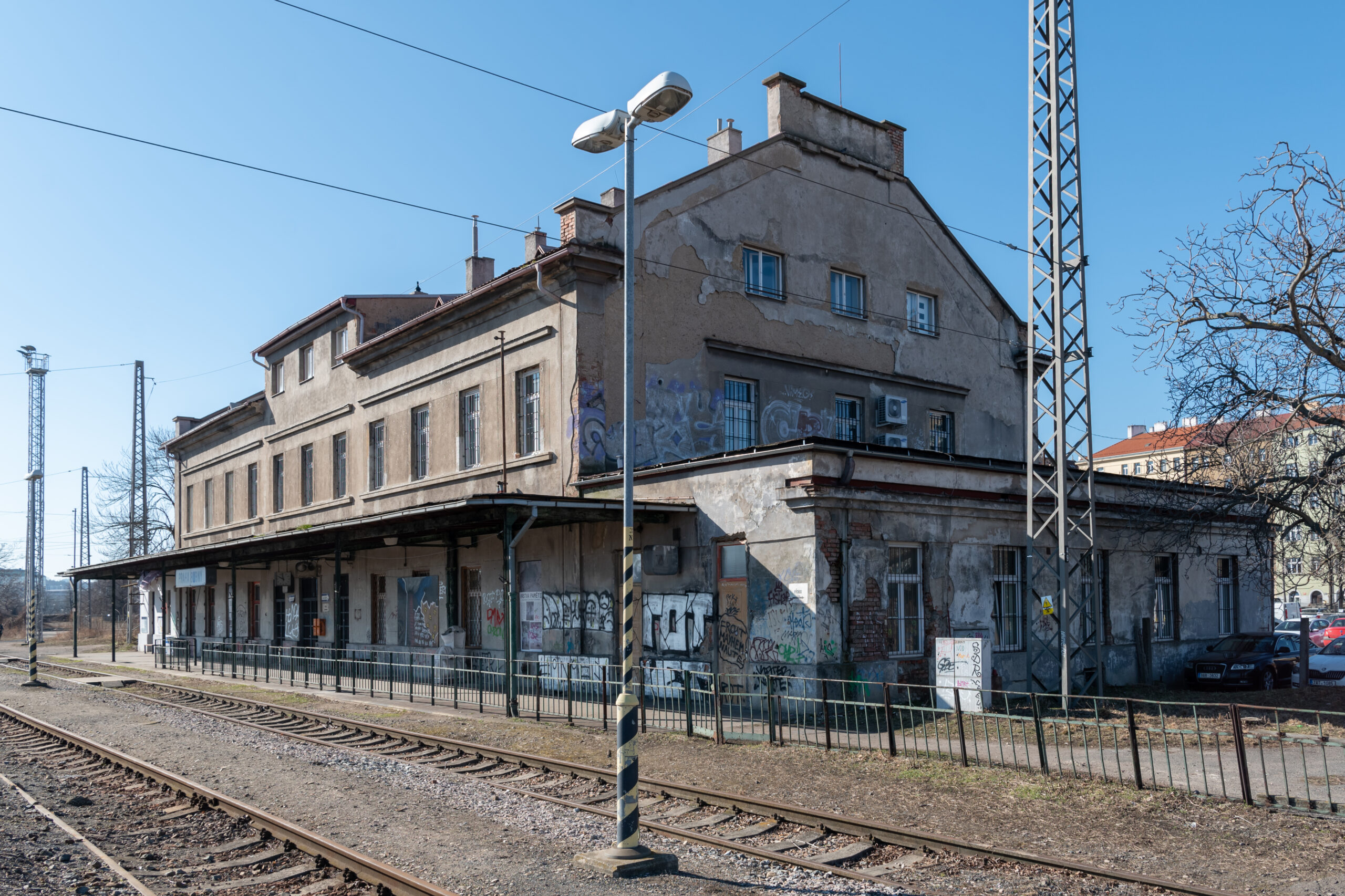
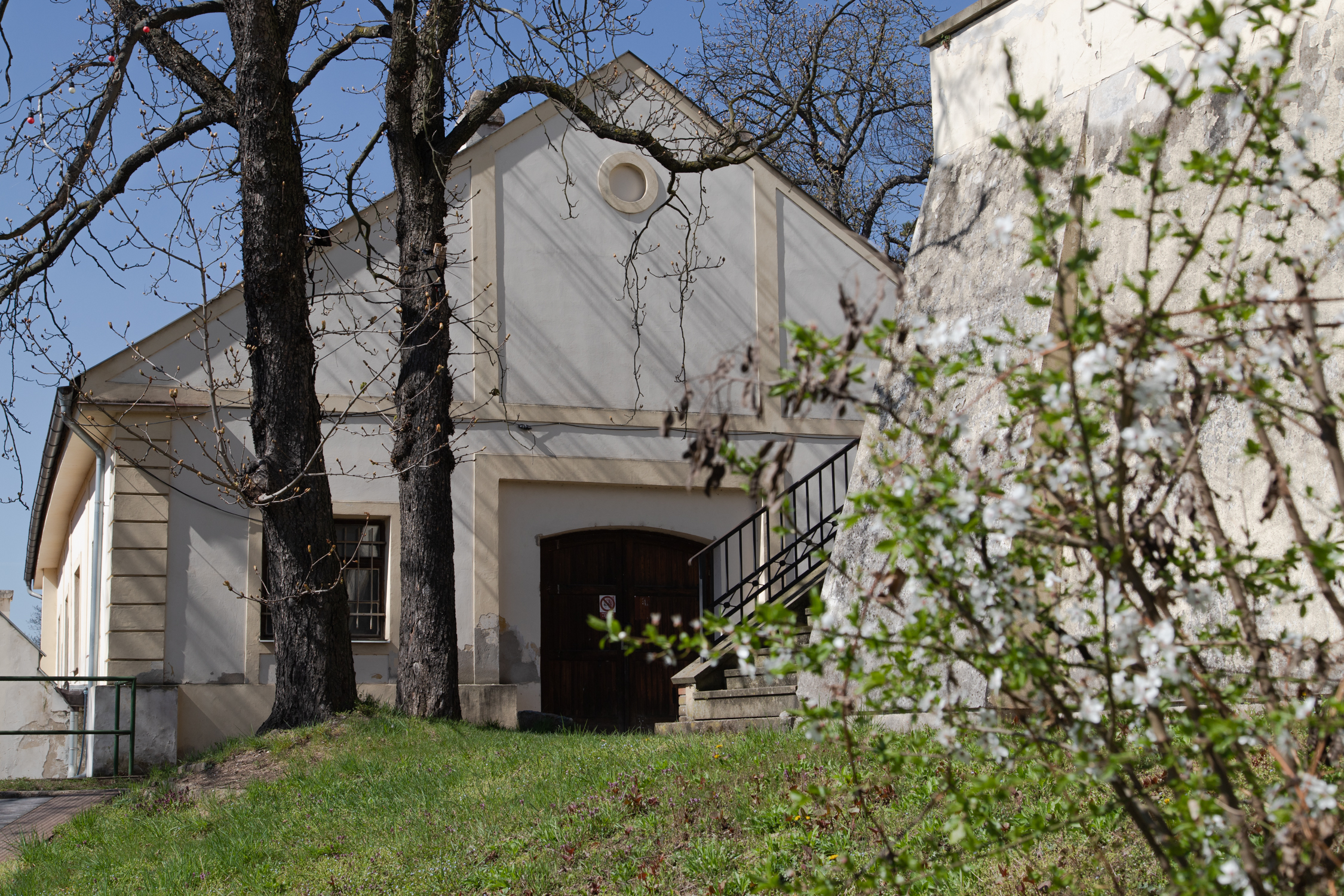
The festival features several buildings currently undergoing renovation as well as a change in function, which will serve in their new forms. One such story is that of the Prague-Bubny Railway Station – Center for Memory and Dialogue, which connects the site’s historical legacy with the vision of the future neighborhood and is preparing for a new role: preserving the memory of the Holocaust. Special tours of the ongoing construction sites will take place as part of the festival. Another site awaiting a major transformation is the Libeň Brewery, which now houses the multicultural arts center Studio ALTA. Visitors can learn more about how the collective is revitalizing the space and breathing new life into it. The Savarin Riding Hall, part of a large Baroque complex in the center of Prague, is also in a similar phase. After years of being used as technical facilities, the riding hall will undergo reconstruction, and the public will have the opportunity to take a look inside before the building begins its transformation into a new public space.
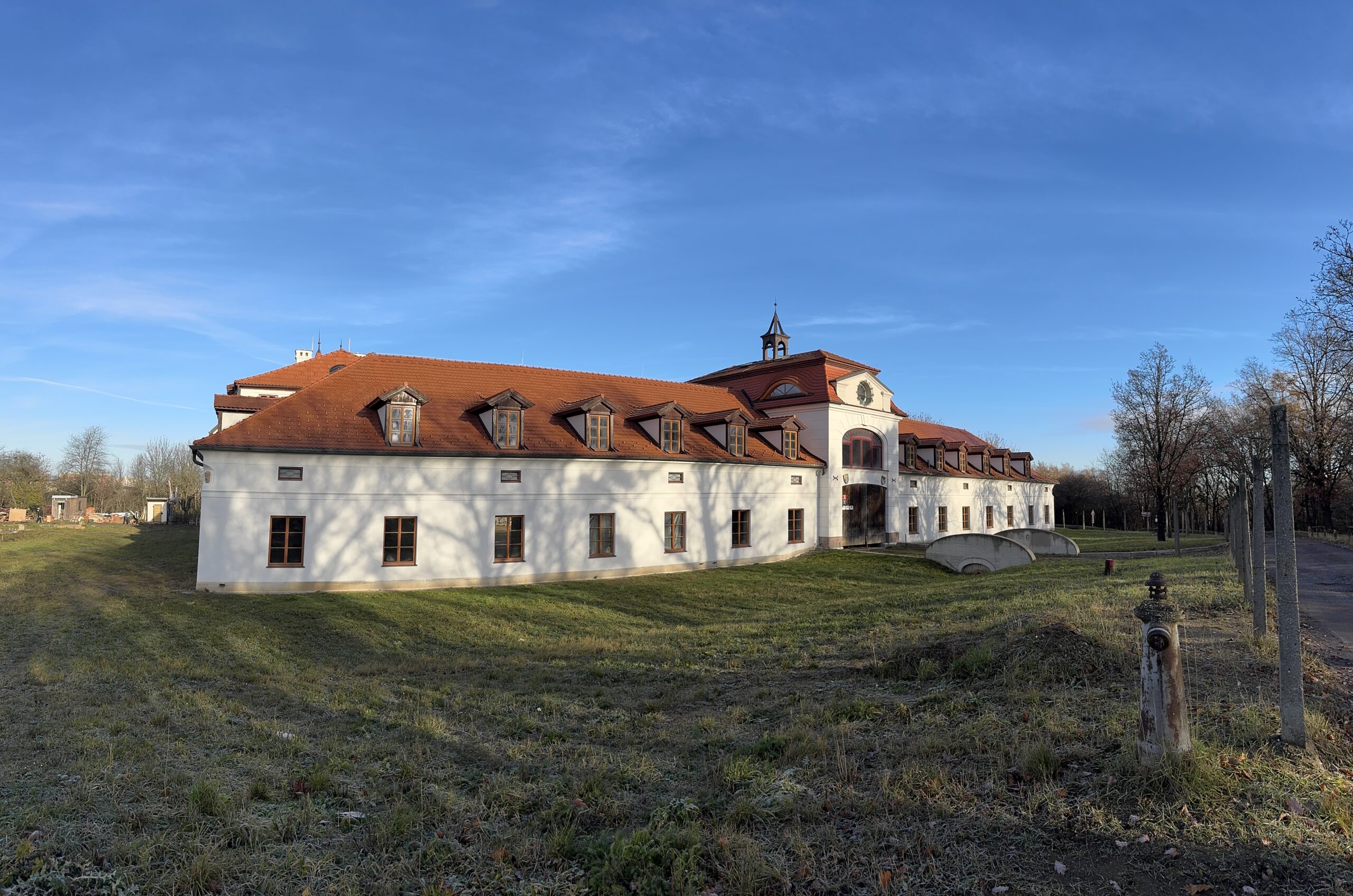
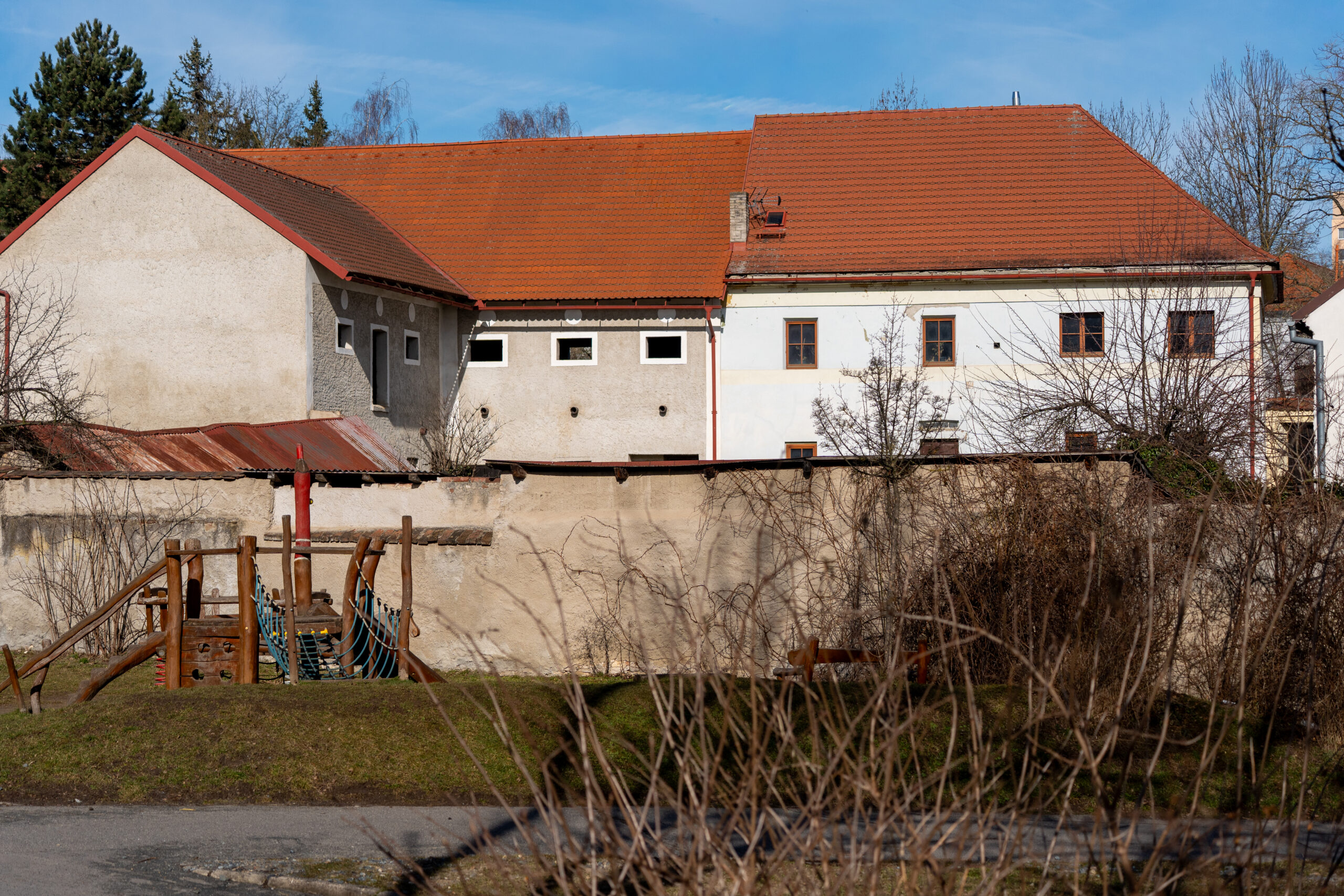
On the old royal road toward Karlštejn Castle lies another remarkable building: the Háje Court. The history of this estate in Prague’s Stodůlky district dates back to the Middle Ages, and today, through a sensitive renovation, it is reconnecting with its former function as an ornamental estate and taking on the form of a multifunctional building with residential housing, a restaurant, and social spaces. The Saukup Farmstead is also located in the same neighborhood; it has undergone many historical transformations, including a period of neglect and the loss of its original functions in the 1950s. Nevertheless, the Baroque country estate survived even the construction of a massive housing estate, and the future of the site is linked to Sananim, an organization which plans to build a day care center and a social adaptation center here.
Significant Anniversaries & Architectural Heritage
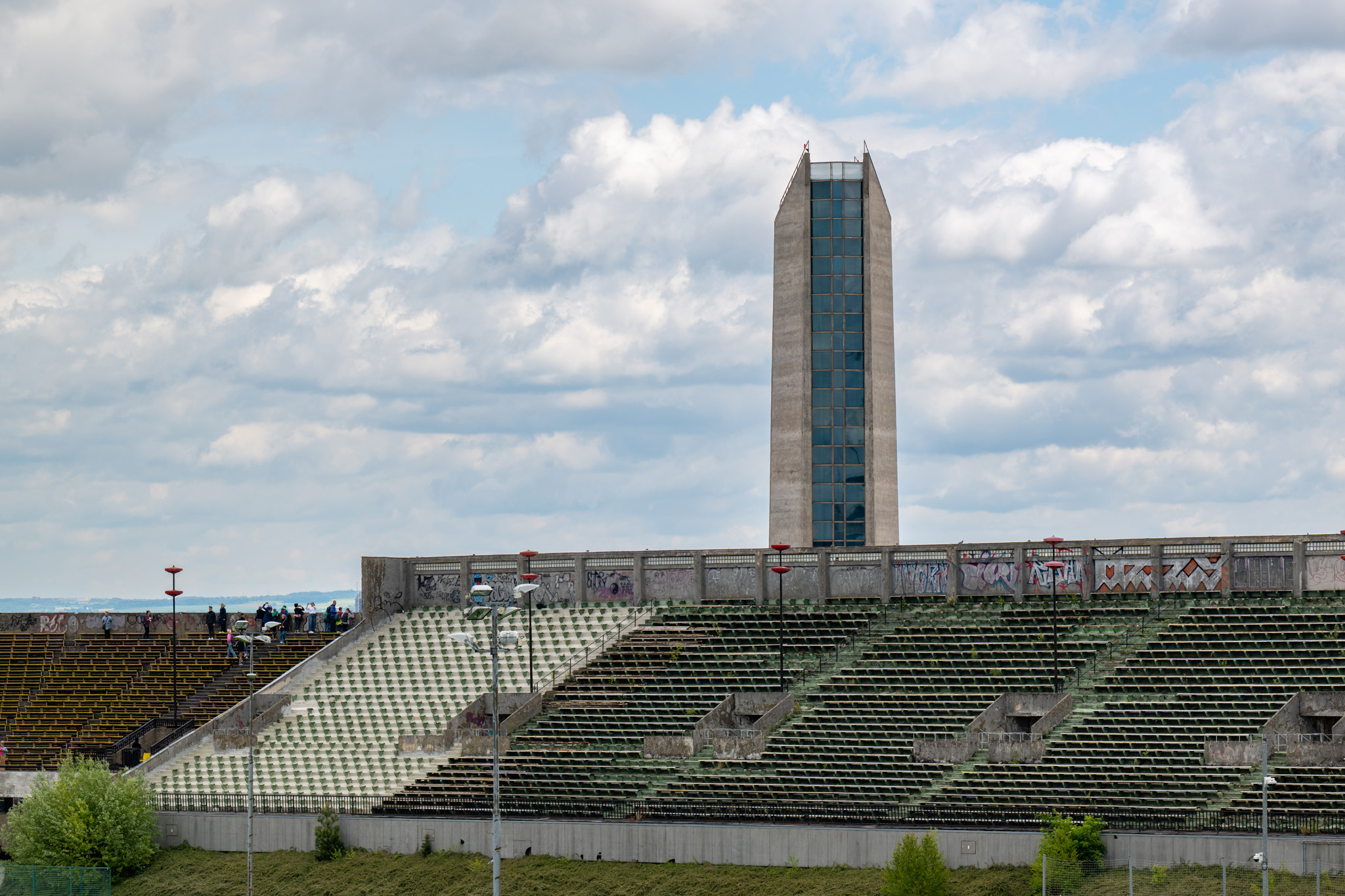
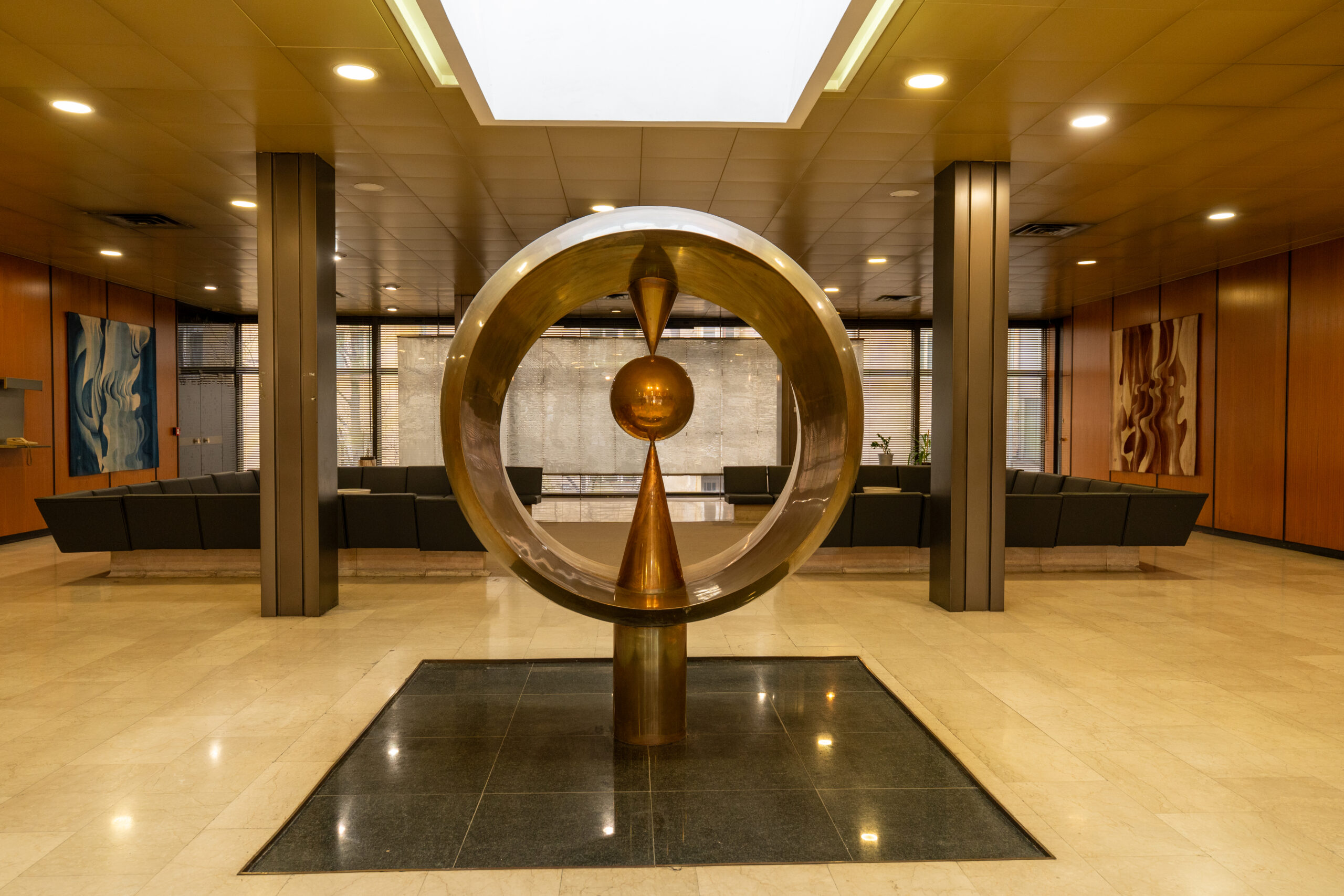
The year 2026 brings several architectural anniversaries. The Great Strahov Stadium celebrates its 100th anniversary this year, a silent witness to the flow of 20th-century history from the fascinating perspectives of sports and pop culture events. One of the largest stadiums will open its eventful story to the public during the festival. This year also marks the 100th anniversary of the birth of architect Zdeněk Kuna, who was one of the designers of the east stand in the 1960s. The second building from Kuna’s studio that can be visited during the festival is the building of foreign trade enterprise Strojimport in Vinohrady. This skyscraper from the late 1960s draws architectural inspiration from Western high-rises, and during the visit, people can explore, among other things, the period lobby with works of art, select lounges, and a movie theater.
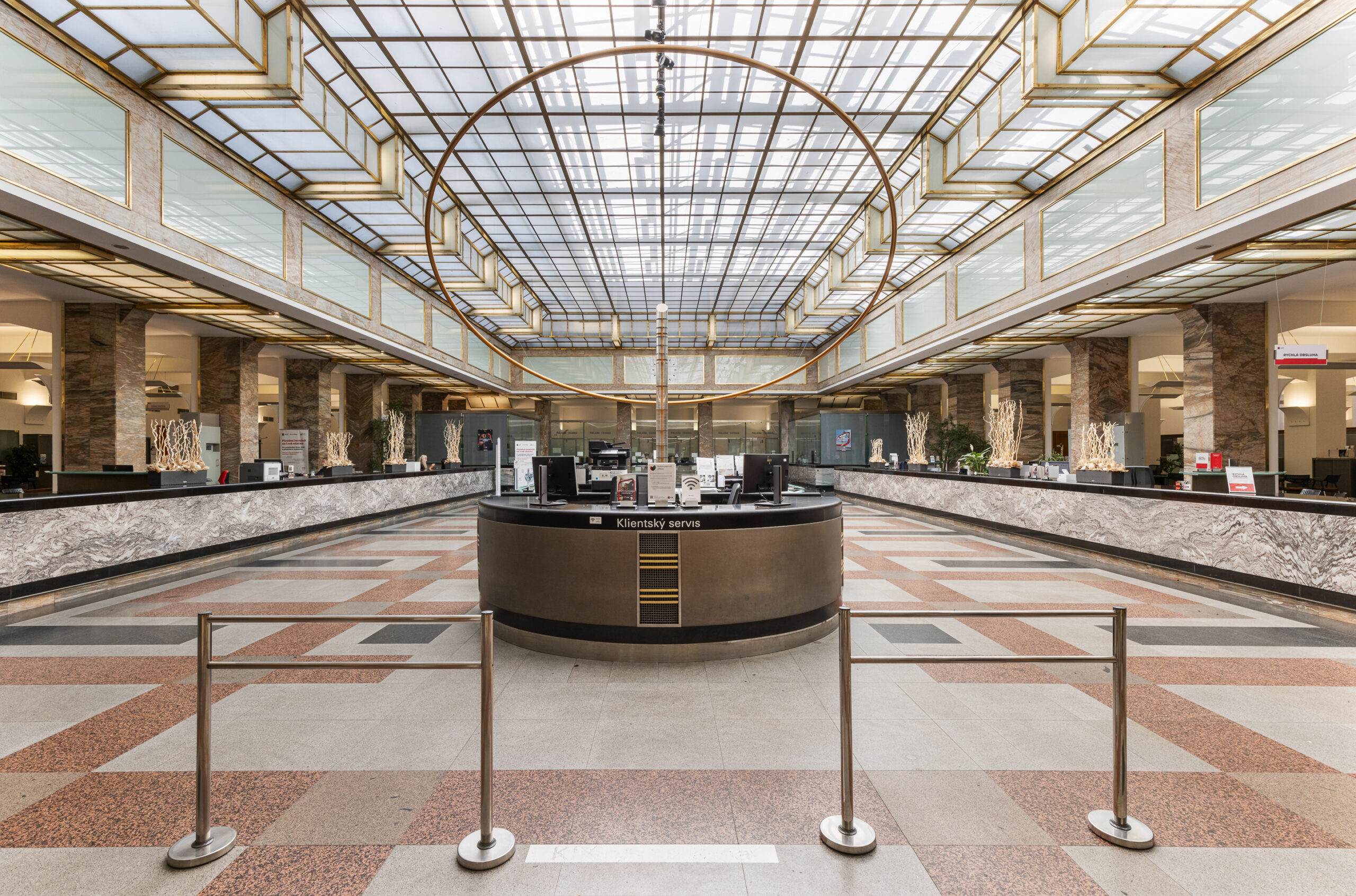
This year also marks the anniversaries of two other architects whose creative styles are a distinctive part of Prague’s identity. We are commemorating the 150th anniversary of the birth of František Roith, from whose architectural repertoire the festival features the City Mayor’s Residence on Mariánské Square and one of this year’s new additions – the Postal Check Office on Wenceslas Square. This interwar building is also a technological feat of its time. The building’s pneumatic tube mail system can be described as a symbol of modernity from the 1920s. The City of Prague purchased the building two years ago for the needs of the municipal administration, thereby returning public administration to these prestigious spaces of Prague’s banking history. Until that happens, the public can tour the impressive banking hall with its glass ceiling and metal details, as well as selected offices, as part of the festival.
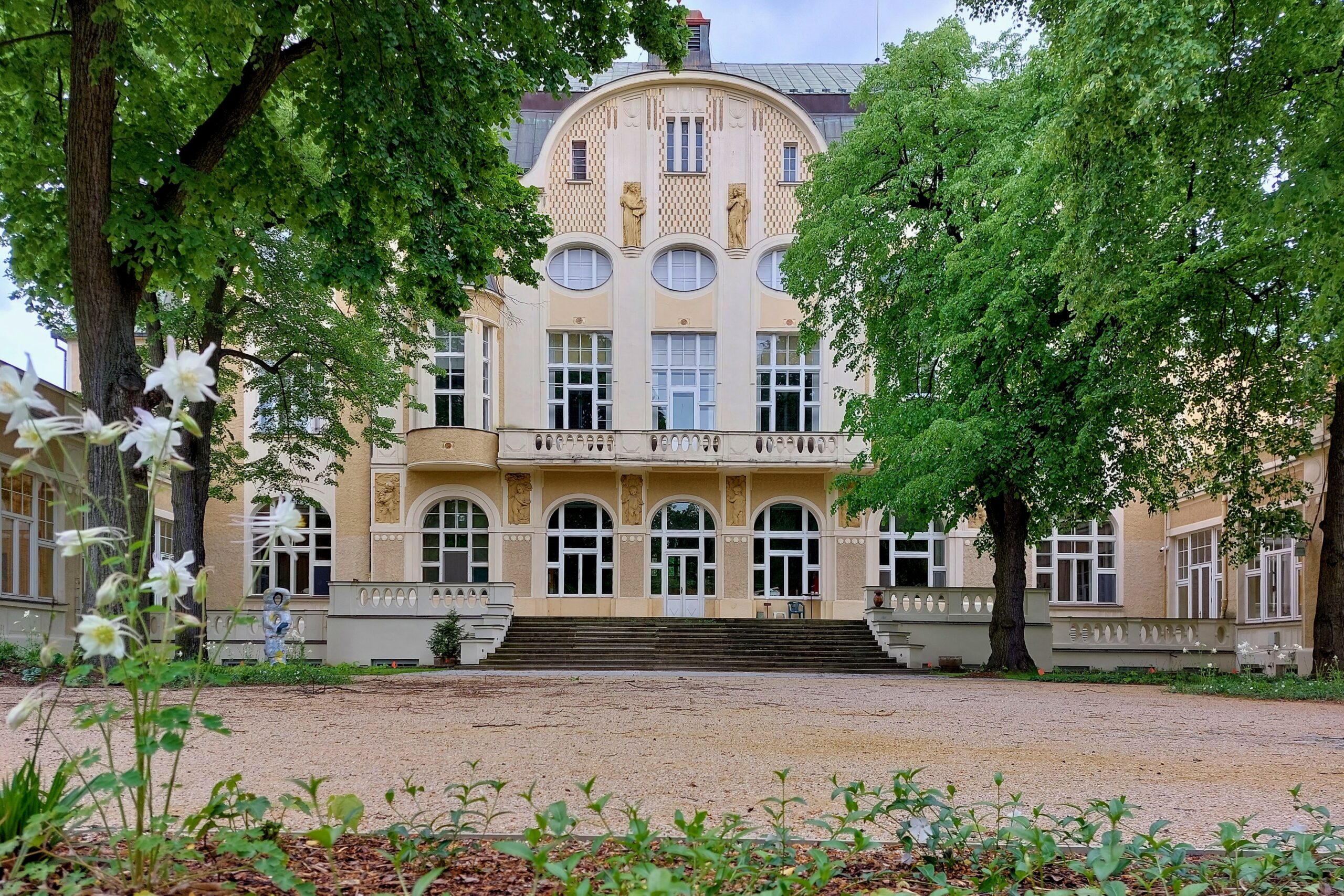
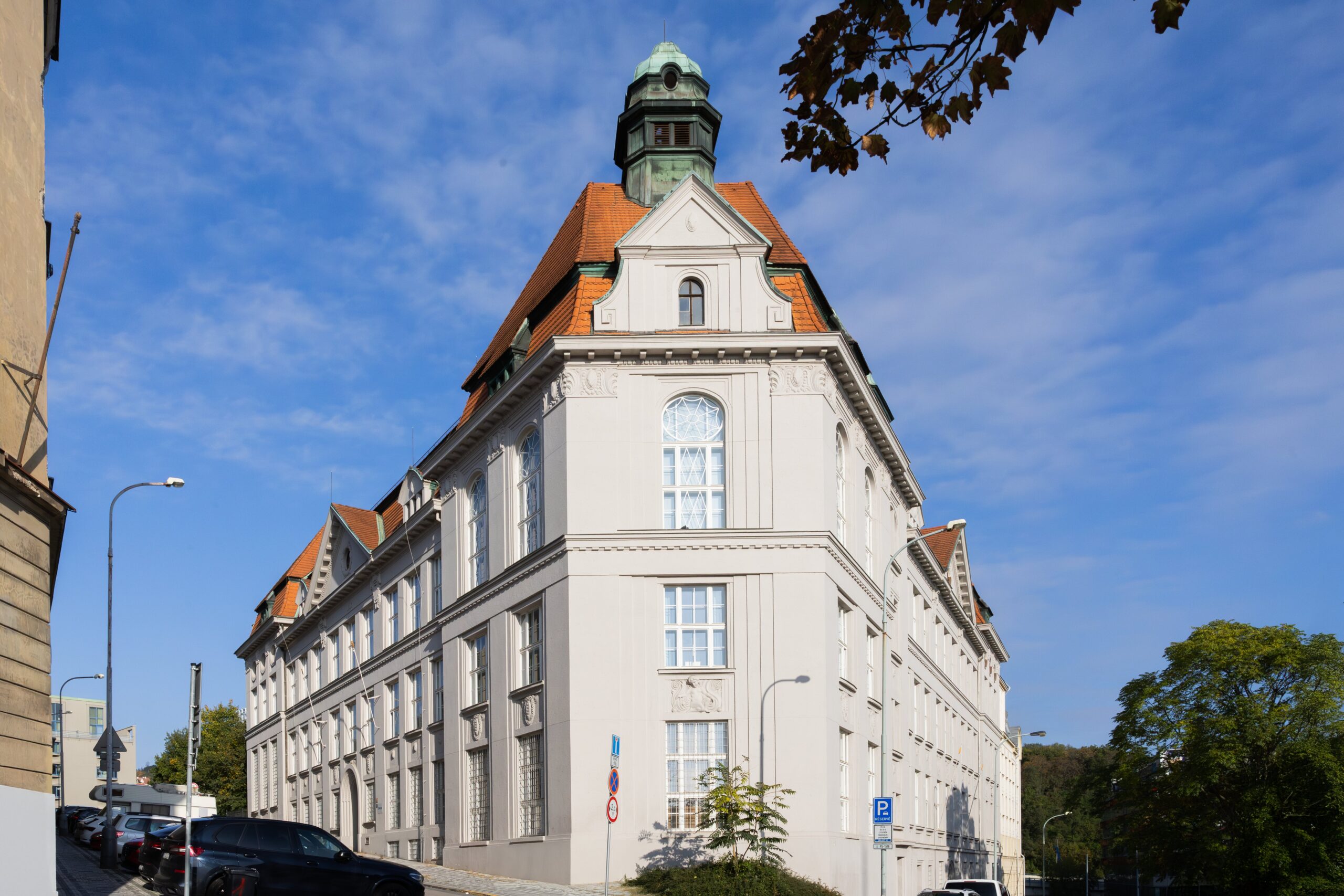
This year also marks 170 years since the birth of Josef Fanta, another visionary in architecture – not only in terms of public buildings. As part of Open House Prague, visitors will be able to tour Hlávka Dormitory and the Ministry of Industry and Trade of the Czech Republic. We are also commemorating the same anniversary for Josef Sakař. From his architectural legacy, visitors can explore the National House in Karlín, whose construction is linked to the neighborhood’s elevation to city status in 1903. This former gathering place for the people now serves as the headquarters of Czech Radio Prague.
Architecture for People: Care, Education & Solidarity
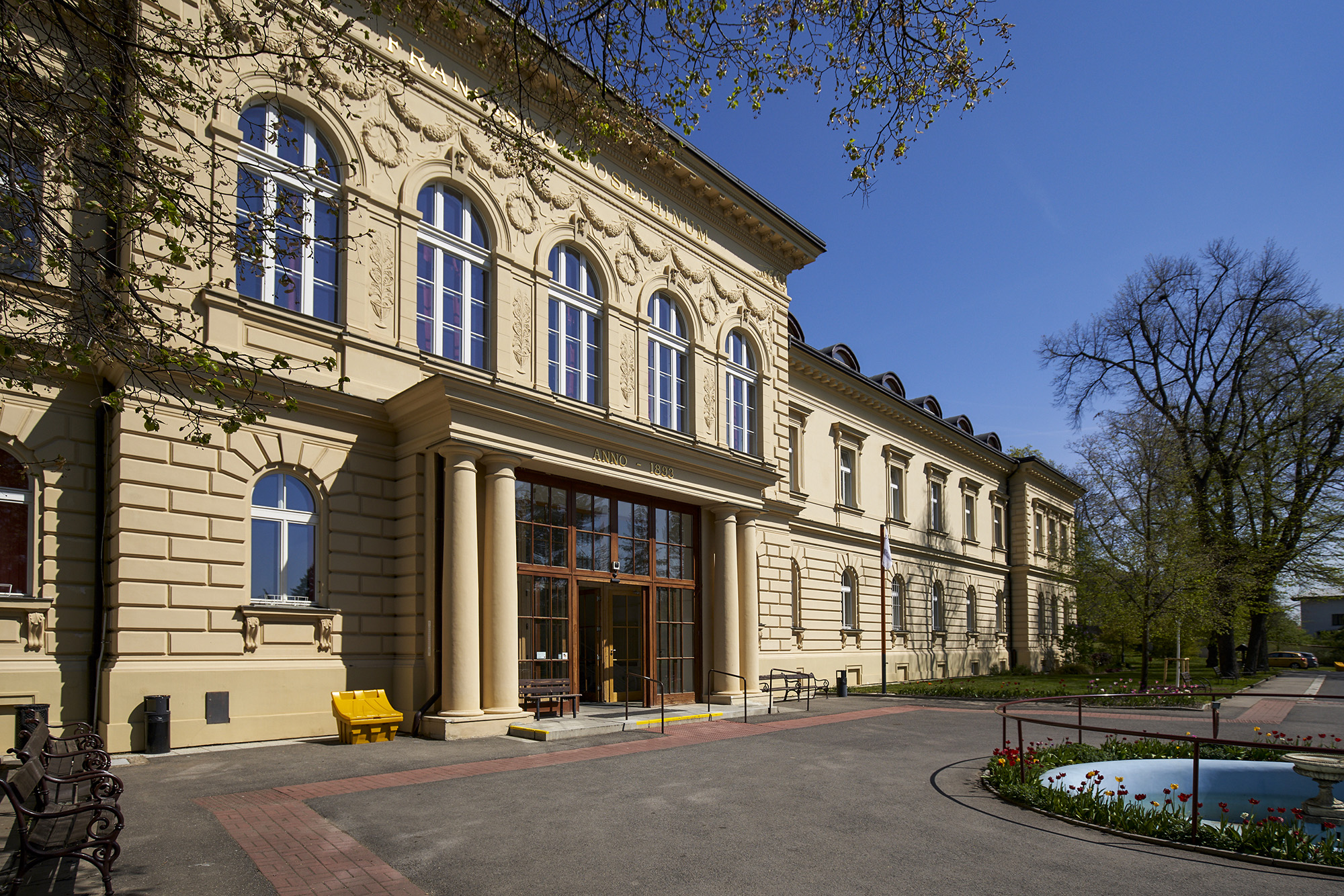
Architecture in the service of social solidarity is another theme for this year’s Open House Prague. Schools, healthcare facilities, and retirement homes demonstrate not only the significant role architecture plays in care, but also how it helps shape the caring environment itself. Many of the buildings open to the public are living proof that architecture has its own tools for addressing the needs of individuals and contributing to the building of a cohesive society. Visitors can explore buildings that have embodied this aspect over time right up to the present day, such as Na Zatlance Grammar School, buildings of the General University Hospital, Palata Home for the visually impaired, and the Chodov and Nová slunečnice retirement homes, where a sensitive architectural approach meets functional innovations across historical periods.
Tours in English
As part of the accompanying program on the weekend, several buildings that are open during this year’s festival also offer tours in English. These include representative buildings such as the rondocubist Adria Palace, hotels such as the luxury Fairmont Golden Prague, modern offices such as Albi at Karlín Palace, sports facilities such as the Great Strahov Stadium, or embassies such as the embassy of Lithuania. You can find and filter buildings that offer English tours in the program on our website. Unless specific times are given, English tours take place continually throughout the weekend opening hours.
Comments are closed here.