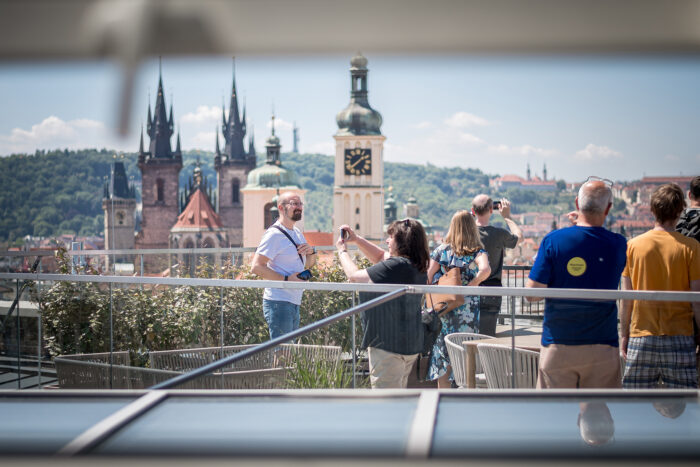
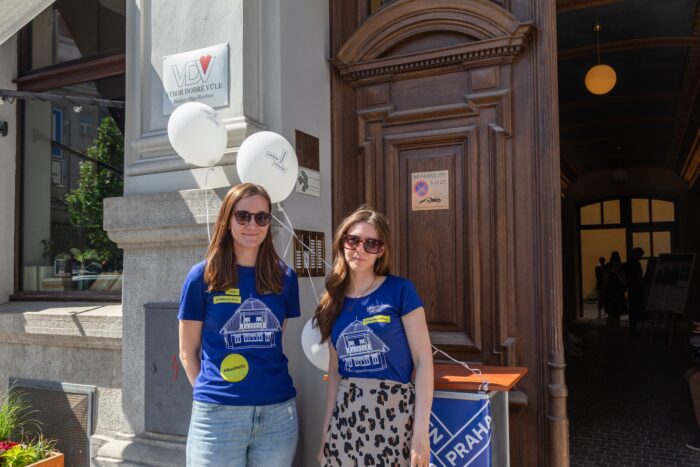
Blue festival balloons fluttered above the entrances of more than a hundred Prague buildings. On May 23–24, 2026, the twelfth edition of the Open House Prague festival, opened architectural heritage sites and contemporary Prague buildings that are not usually accessible to the public. The open buildings and an eventful accompanying program attracted more than 82,000 visitors. In addition to several historical anniversaries, this year’s edition focused thematically on the city’s transformations, heritage preservation, the protection of architectural heritage, and the new roles of historic buildings in contemporary Prague. The program featured historic palaces, monastery complexes, industrial buildings, and contemporary architecture. This year, the festival once again highlighted the vital role that architecture and its preservation play in the daily life of the city and its residents.
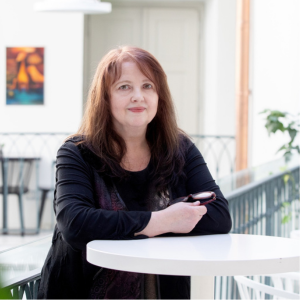
“This year’s edition is significant in that it reminds us how fragile a city’s memory can be. Many buildings that we now take for granted as part of Prague stand at a crossroads – facing renovation, a new function, or a decision about their future. The festival can help change the way we think about the city – not as a space for consumption, but as a shared heritage for which we bear responsibility.”
Popular Stops
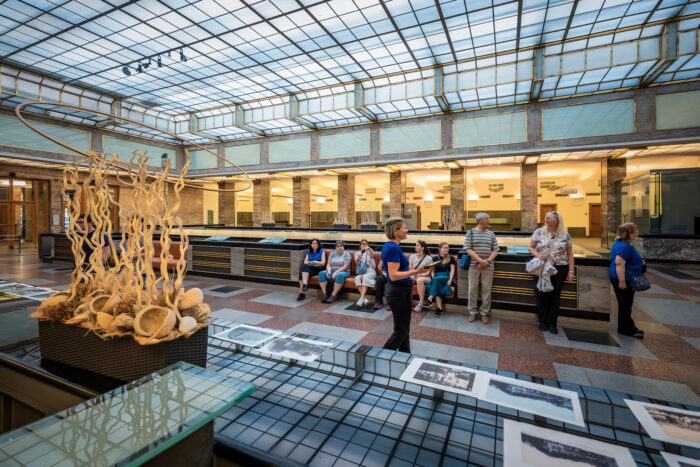
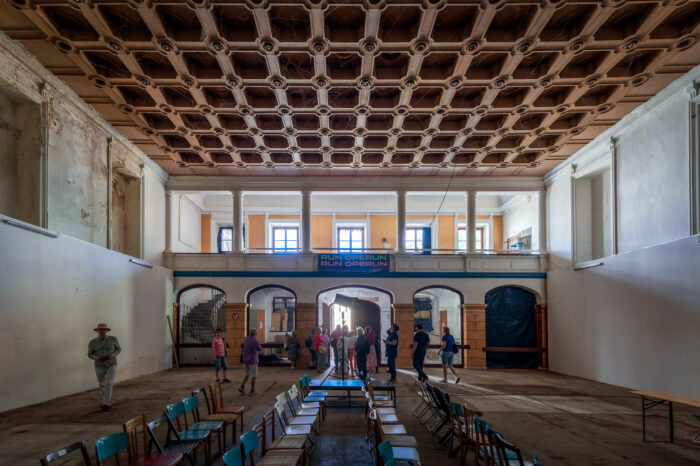
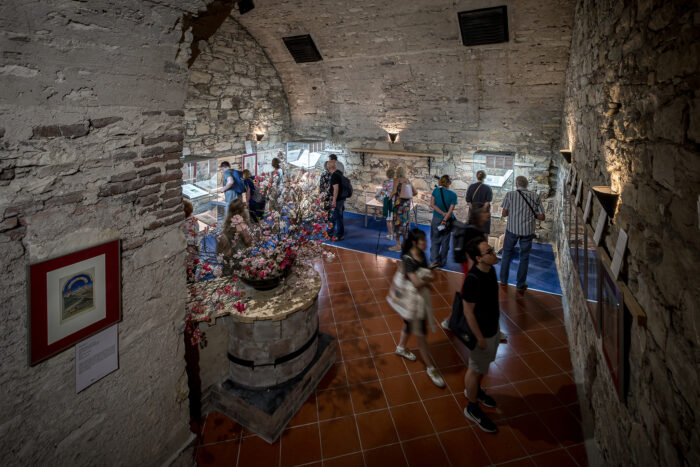
The festival brings together architecture enthusiasts, experts, and the general public, families with children, and people with various types of disabilities. All of this is supported by a volunteer community numbering over 600 people this year alone. The diversity of the visitor base is also reflected in the list of the most-visited sites. This includes buildings of all architectural styles, uses, and locations. The Lobkowicz Palace – the seat of the German Embassy, the Postal Check Office, the NR7 Palace, the Minorite Monastery, the high-rise building of the former Strojimport, and the Savarin Riding Hall attracted the most interest. Beyond the city center, many people headed to Kotěra’s Vršovice Waterworks or the Great Strahov Stadium, which is celebrating its 100th anniversary this year. The operational building of the National Theater drew visitors into the inner workings of the arts.
Stodůlky was a major destination this year, where visitors headed to see two examples of sensitive renovation that go hand in hand with a transformation of function to meet the current needs of the urban population. These are the Saukup Farmstead, the future SANANIM Psychotherapy Center, and Háje Court, which is being transformed into a mixed-use building with residential units and restaurants. The visit to the former Praha-Bubny railway station, which is currently being renovated into the Center for Memory and Dialogue and connects the site’s historical legacy with its future role, was also marked by a change of function. Visitors thus had a rare opportunity to observe the progress of the construction work.
Industrial Architecture, School & Care Center
A special program section featured contemporary residential projects such as Lihovar in Smíchov, Fragment in Karlín, and Vysočanský mlýn, which showcase the transformation of former industrial sites into new urban neighborhoods.
The festival also opened buildings that demonstrate the role of architecture in the fields of education, care, and public services. Visitors were able to explore school campuses, university buildings, and institutions that are adapting to current operational and environmental demands.
Social and healthcare infrastructure facilities were also a significant part of the program, including retirement homes and care centers, where architecture contributes to creating a respectful and functional environment for daily life.
Tours, Screenings & Other Accompanying Events
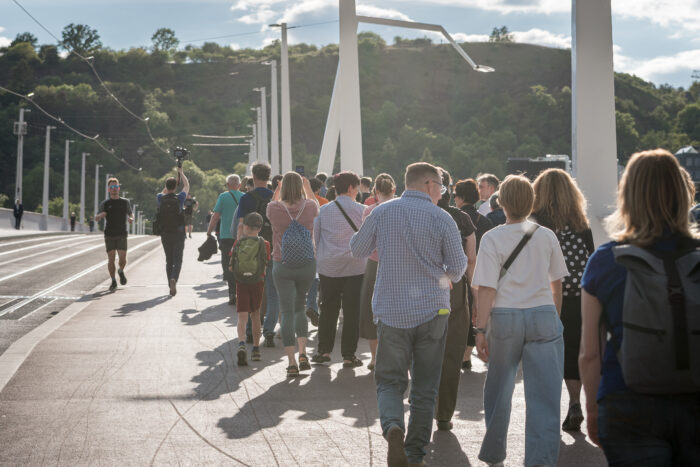
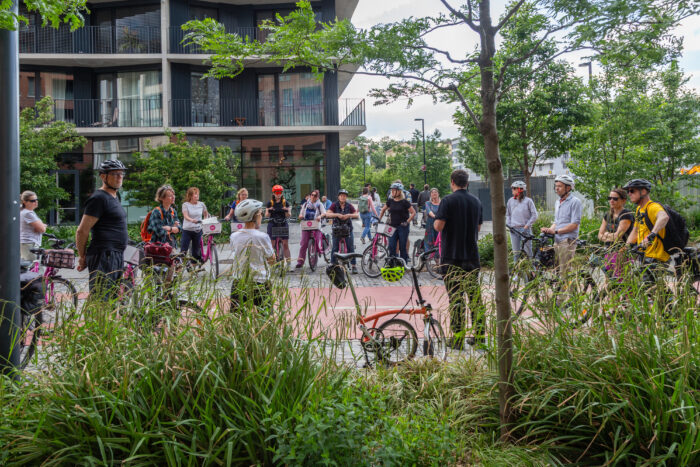
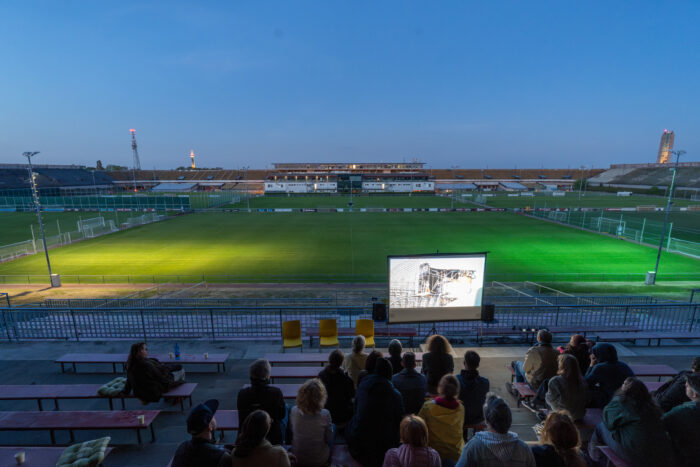
During the festival week, more than 70 accompanying events took place around Prague. The program focused, for example, on the transformation of Smíchov, the future of the Žižkov Freight Station, the reconstruction of the Prague Exhibition Grounds, and the planned Vltava Philharmonic Hall. The screening of the documentary Olympic Halftime directly on the grandstand of the Great Strahov Stadium, as well as a program commemorating 120 years of Prague’s sewer system at the Old Wastewater Treatment Plant in Bubeneč, drew a large response.
Architecture for Everyone
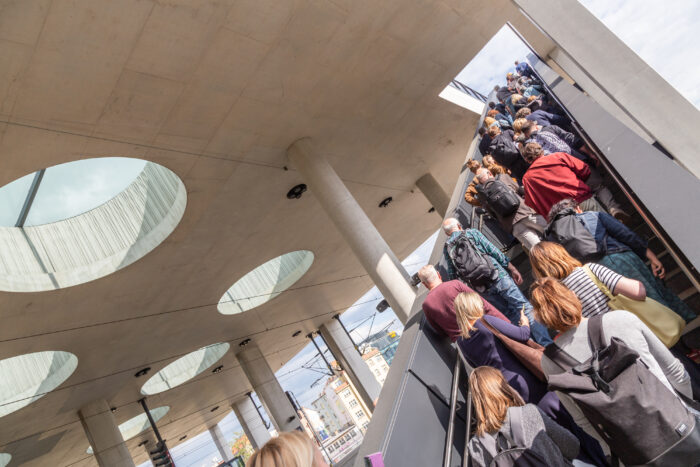
The Open House Prague festival has long strived to make architectural heritage accessible to the widest possible public, regardless of age, various types of limitations, or social status. The festival program includes activities for children and international visitors and has long worked to remove barriers for people with hearing or visual impairments.
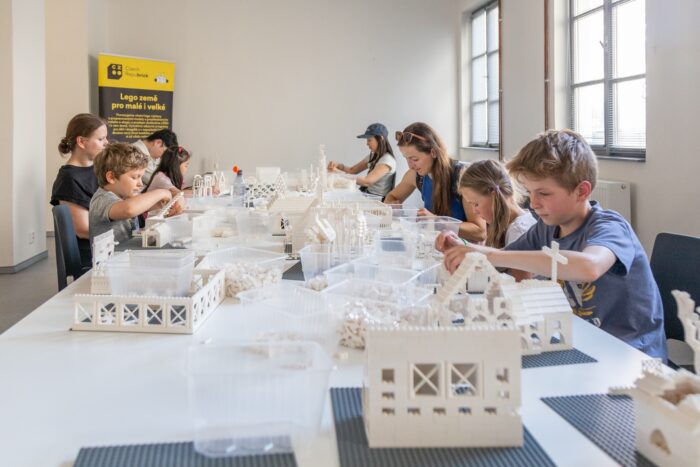
The children’s program invited the youngest visitors to explore the city from their own perspective, where there is room for imagination, creativity, and plenty of questions. The festival also offered tours in Czech Sign Language and simultaneous transcription of the commentary for the deaf audience. For people with visual impairments, we also prepared special tours of selected Prague buildings, allowing them to explore the city and its architecture through touch, sound, space, and engaging commentary.
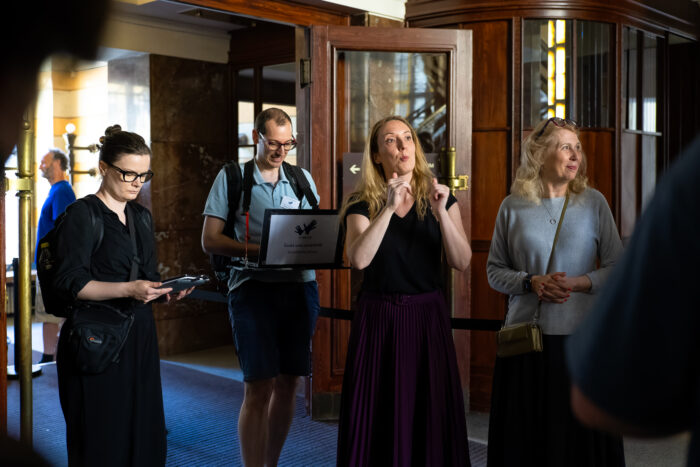
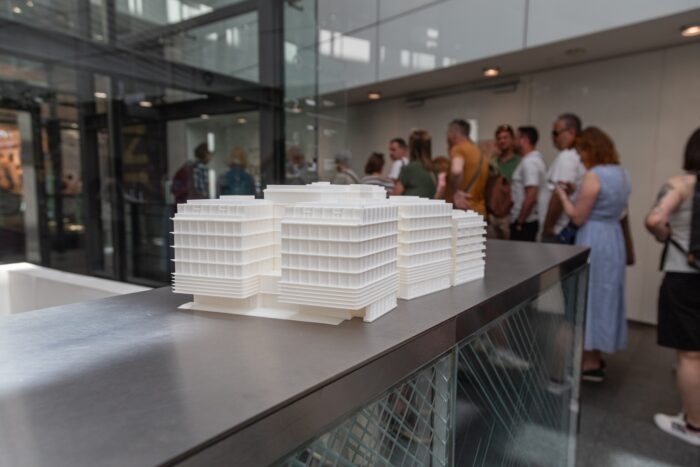
Thus, in 2026, the Open House Prague festival once again confirmed its role as a platform that makes architecture accessible in all its breadth – from palaces, sacral buildings, and industrial heritage to contemporary interventions in the city’s fabric. At the same time, it demonstrates that architecture is not a static object but a living process that is constantly being rewritten and dynamically evolving alongside the city and the needs of its inhabitants. The entire festival relies on its volunteer community, upon which the success of each edition literally depends. The city can open up every year only thanks to the hundreds of volunteers who help coordinate the festival and guide visitors through the individual buildings.
A free festival app made it easier for visitors to get around the city and plan their visits. The app provided not only a list of buildings but also information on what visitors could see at each location, whether guided tours were available, and estimated wait times. The app also features the year-round program of our nonprofit organization Open House Praha, z. ú.
Help Us Organize the Next Edition
Did you attend the 12th Open House Prague! We’ll be happy to hear your thoughts via this online form (in Czech and English). You can also email us your feedback at info@openhousepraha.cz.
Did you enjoy the festival? You can help us with the next one! We accept donations via the payment gate Darujme.cz; you can choose either a one-off donation, or a regular monthly donation. You can also become a member of the Architecture Lovers Club or our partner. You can also support the festival by purchasing tickets to our year-round events or merchandise items in our online store. More details can be found here.
See you at the 13th edition of Open House Prague, scheduled to take place May 17–23, 2026!
Comments are closed here.