Author: Damián Weinhold
While most of Europe is already preparing for winter, one of the last architecture festivals of the calendar year is just beginning in the Greek city of Thessaloniki. This year, I had the opportunity to take part as an international volunteer through the Open House Europe exchange programme, and I would like to share this wonderful experience.
Although Advent has just begun, apart from Christmas carols playing everywhere, it is hardly noticeable in this sunlit Macedonian metropolis. Life continues in the typically Greek style, especially through spending time with loved ones in tavernas and cafés. At the same time, however, the important architectural event Open House Thessaloniki is beginning, aiming to make the city’s rich history and architecture accessible to the wider public. This is also the moment when my story begins — so to set the mood, open a bottle of red wine, prepare some olives, and join me among the laughing seagulls of this Greek port city.
© Damián Weinhold
As a historically significant city located at the crossroads of many empires, Thessaloniki boasts rich architecture spanning thousands of years. Whether Roman remains, Byzantine churches, or modern office buildings, every visitor can feel the city’s genius loci — as if its walls could tell stories.
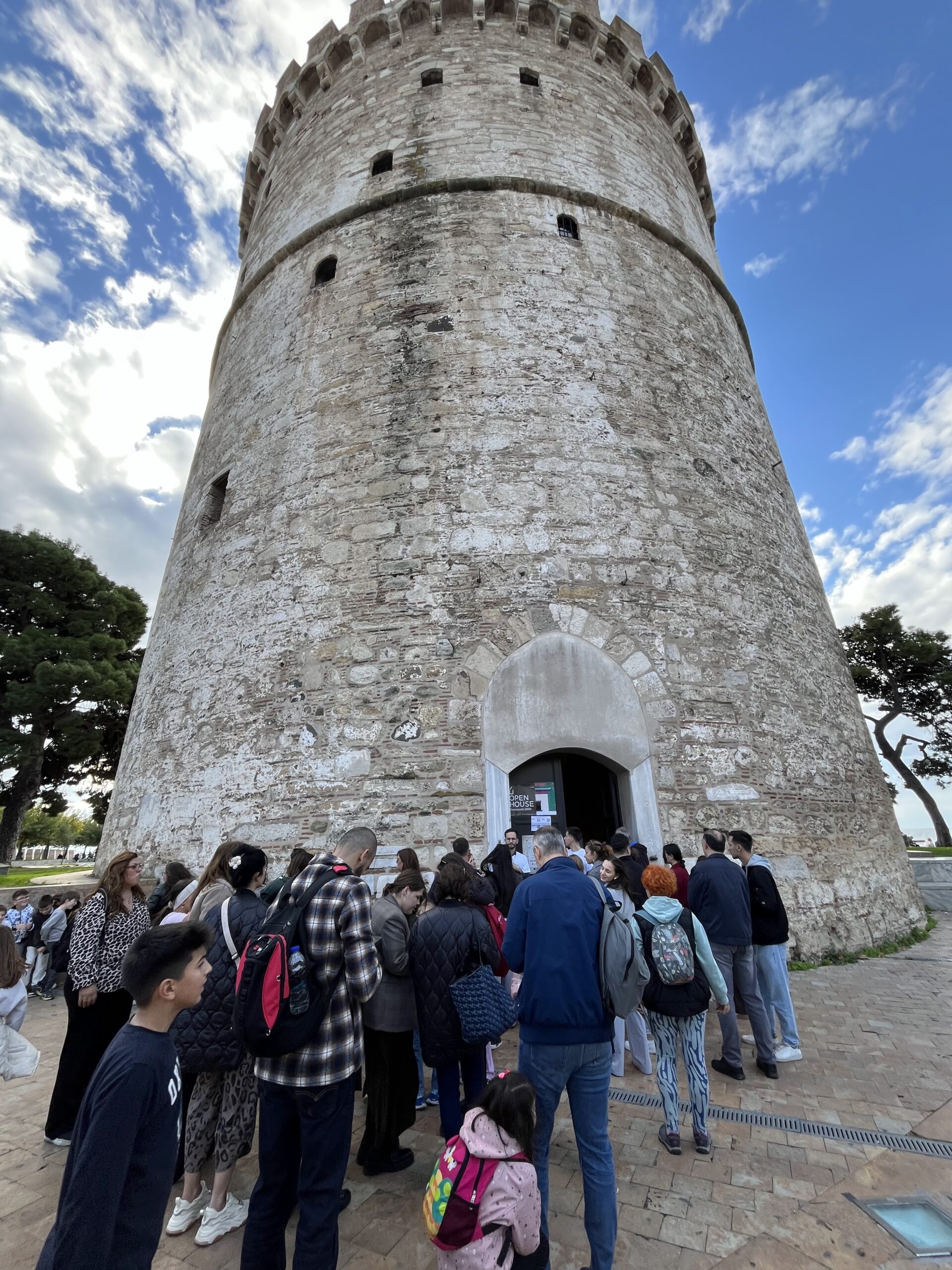
For this reason, Open House Greece, which also organizes the Athens festival, decided 14 years ago — with the support of the city and the state — to open the city to the public. This year, more than 500 volunteers opened 73 buildings, and I was lucky enough to be part of it.
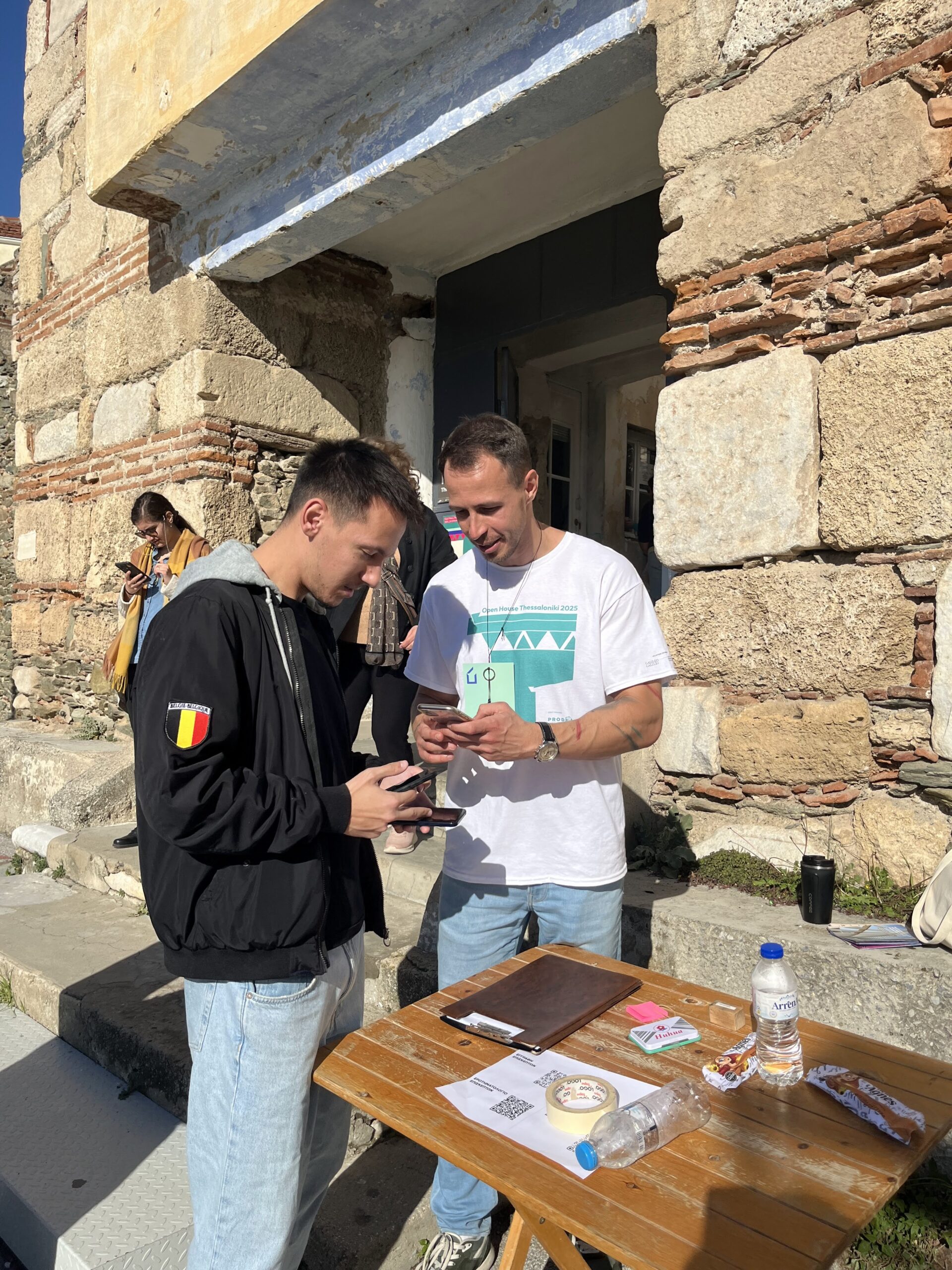
Similarly to the Prague festival that I know well, the Thessaloniki edition begins with a week of events, lectures, and walks, culminating in a weekend of open buildings. These are assigned according to location to coordinators, who then place their volunteers accordingly. On the evening before the festival, our coordinator explains what is expected of us international volunteers. Visitors are required to create a digital identity via a QR code, which is then scanned at the entrance to each building. The process is simple and involves filling in a few details, but our task is to explain it clearly to visitors. Together with coordinating groups, this becomes our main activity, since none of the international volunteers speak Greek well enough to guide tours — although there is also the option to lead English-speaking groups 😊.
© Damián Weinhold
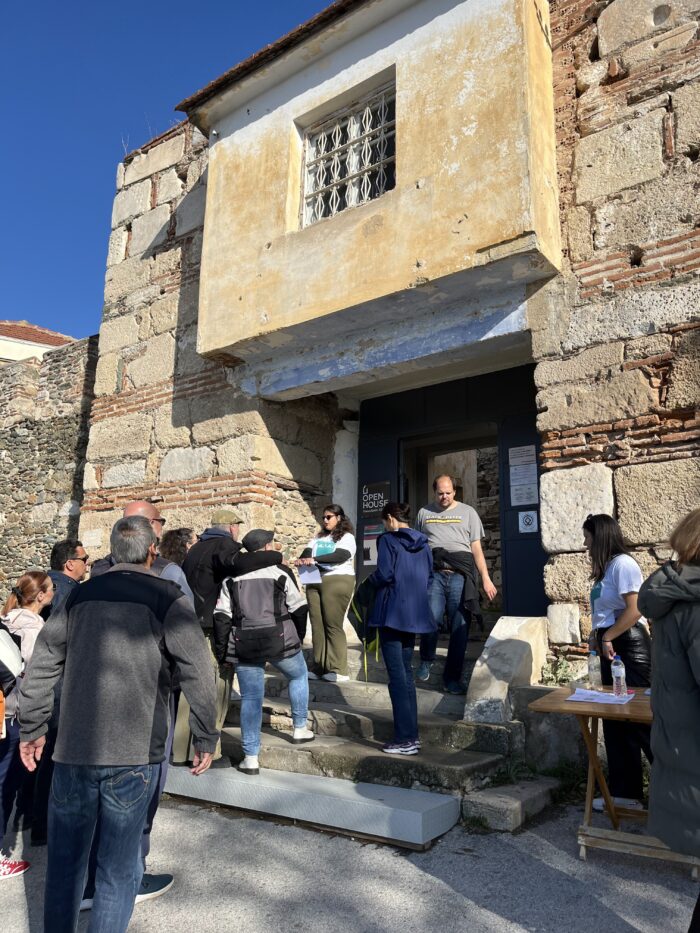
© Damián Weinhold
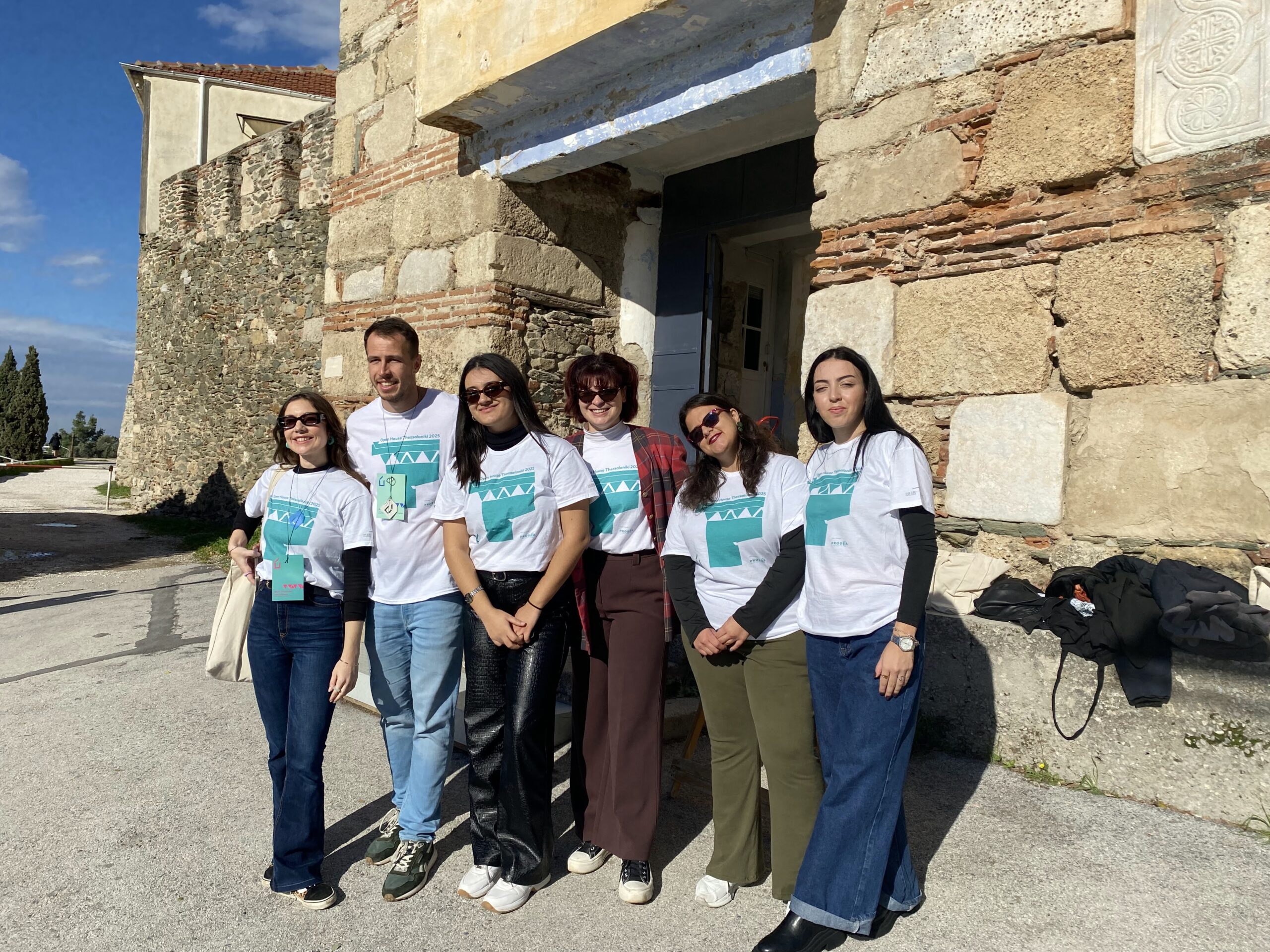
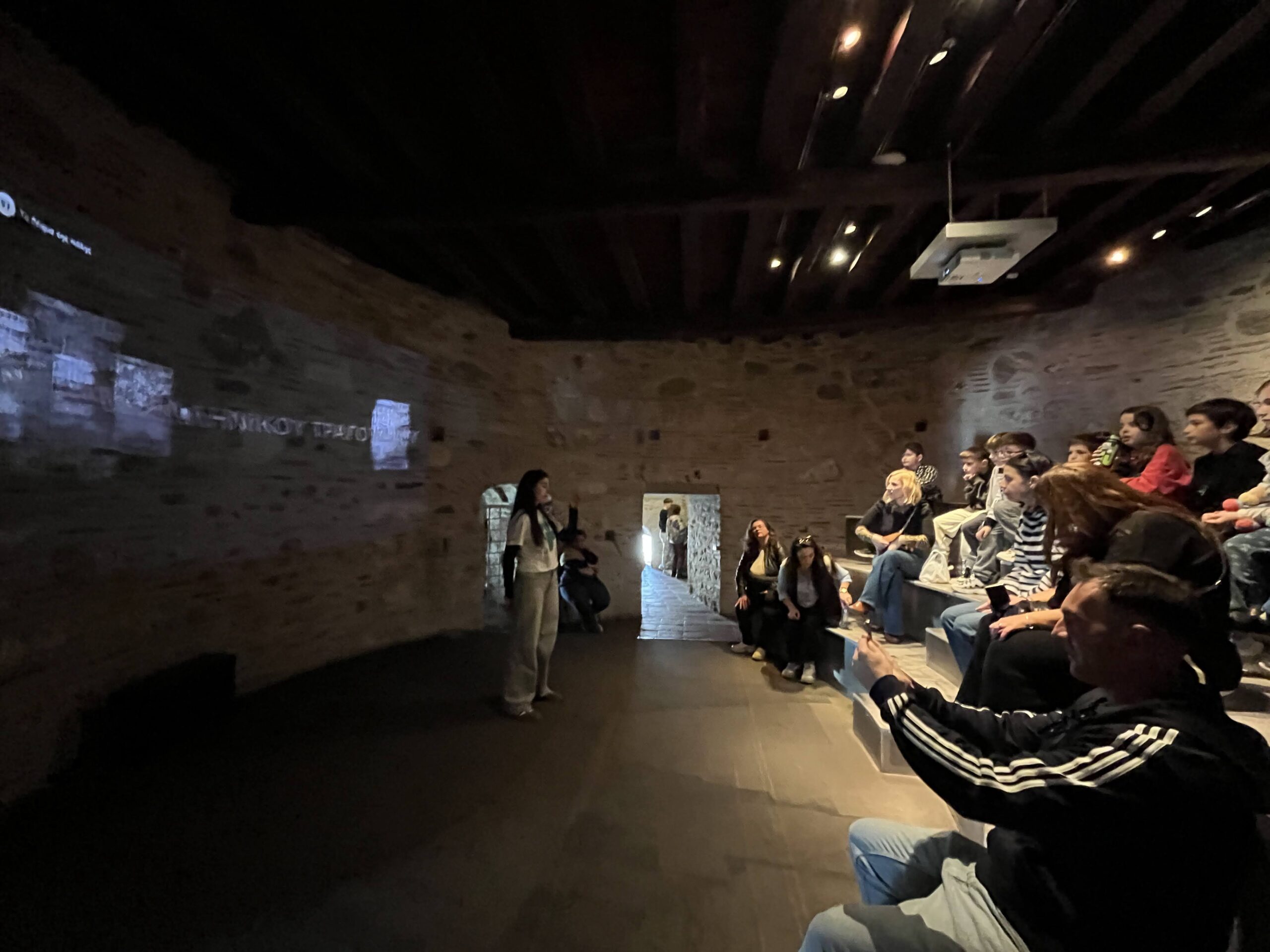
We are briefed, assigned to buildings, equipped with brochures and festival T-shirts — and off we go! It is Saturday morning, and my shift begins at the Thessaloniki fortress Heptapyrgion. This former Byzantine fortress, located on one of the city’s highest hills, also served as a prison. The start is calm, with only a handful of enthusiasts, but soon visitors begin arriving after their Friday night, and our team becomes very busy. Time flies as groups rotate; I help with registration while colleagues guide the tours. After a four-hour shift — the standard length at this festival — we are all pleasantly tired.
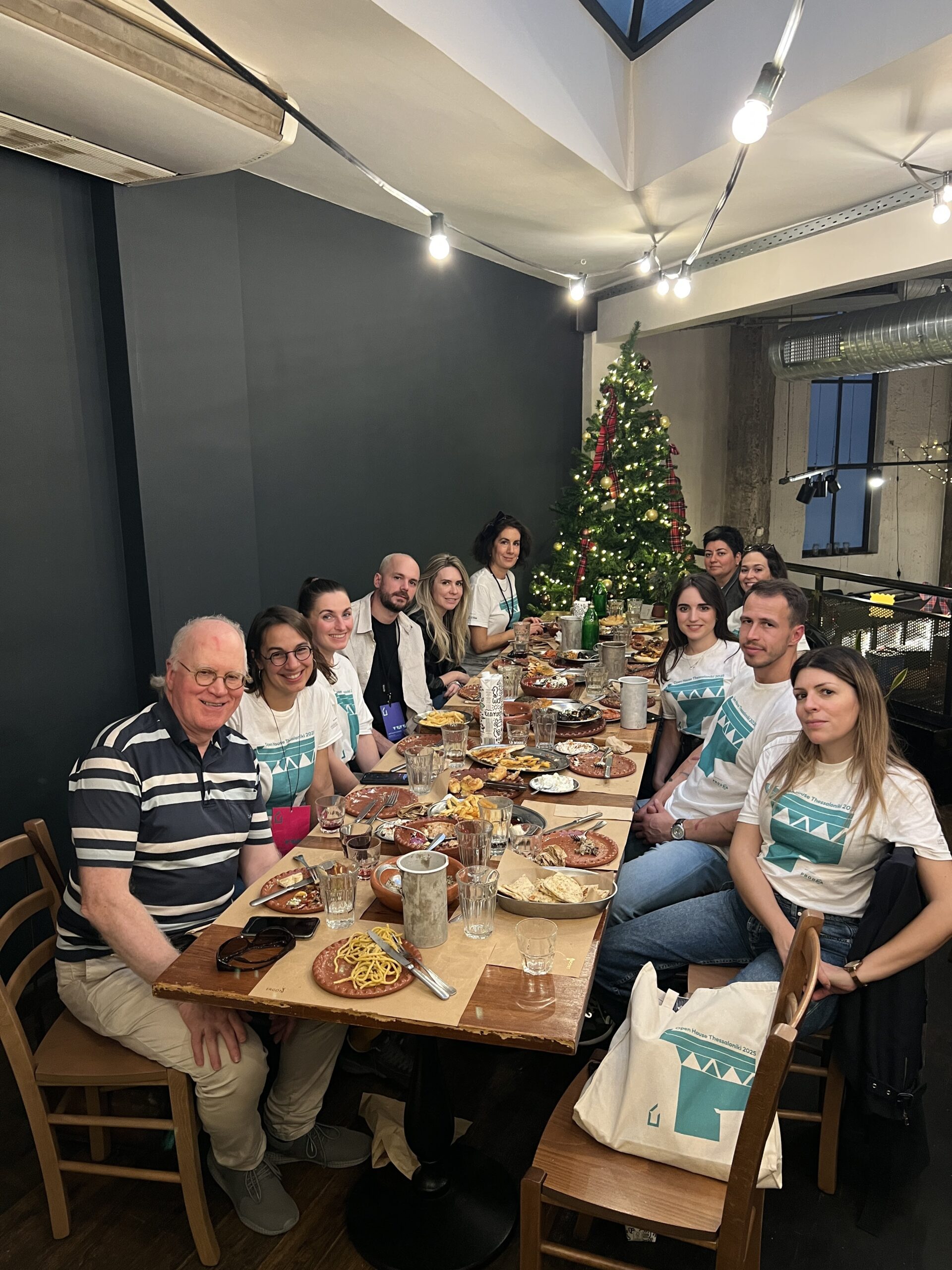
Another enjoyable duty awaits me: a shared lunch with the local festival leadership, exchanging experiences and insights. I learn many interesting things about how the organization works, the festival concept, and approaches to local architecture.
Regarding the festival concept, I like that although we share so much in common, there are also many differences. Open House shares a common idea and basic framework, but each city’s interpretation and specific features are unique — and that, in my opinion, is what makes this festival so special. In Thessaloniki, several differences stood out to me. For visitors, the organizers created a game involving collecting stamps in a map and competing for prizes, as well as voting for the favourite building and photograph. The Greeks, on the other hand, were interested in our openness and the absence of mandatory registration. I think each festival has its own character, and through these differences we enrich one another and continue to evolve together.
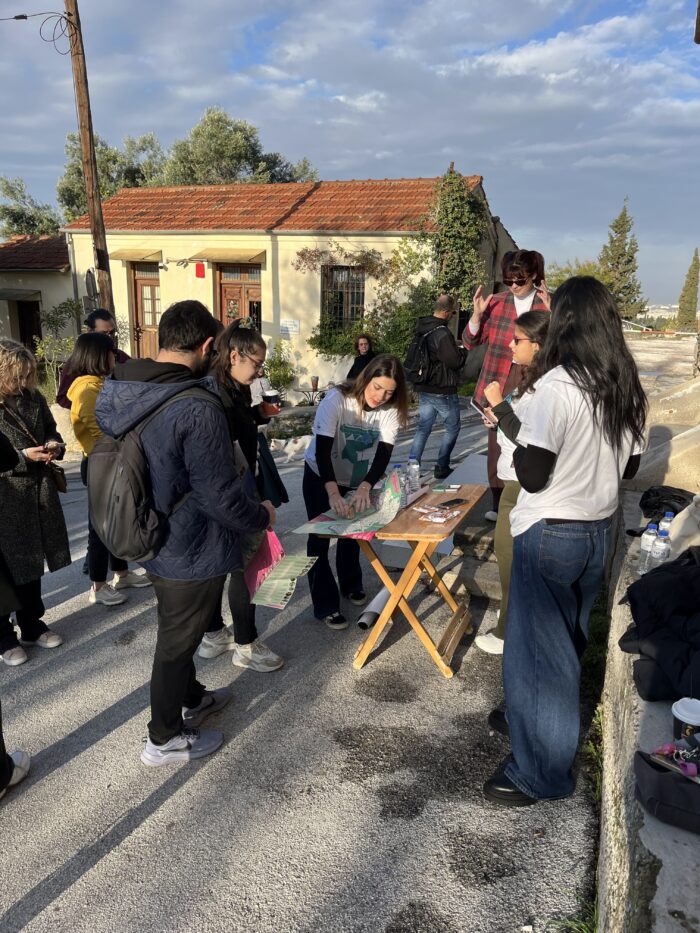
© Damián Weinhold
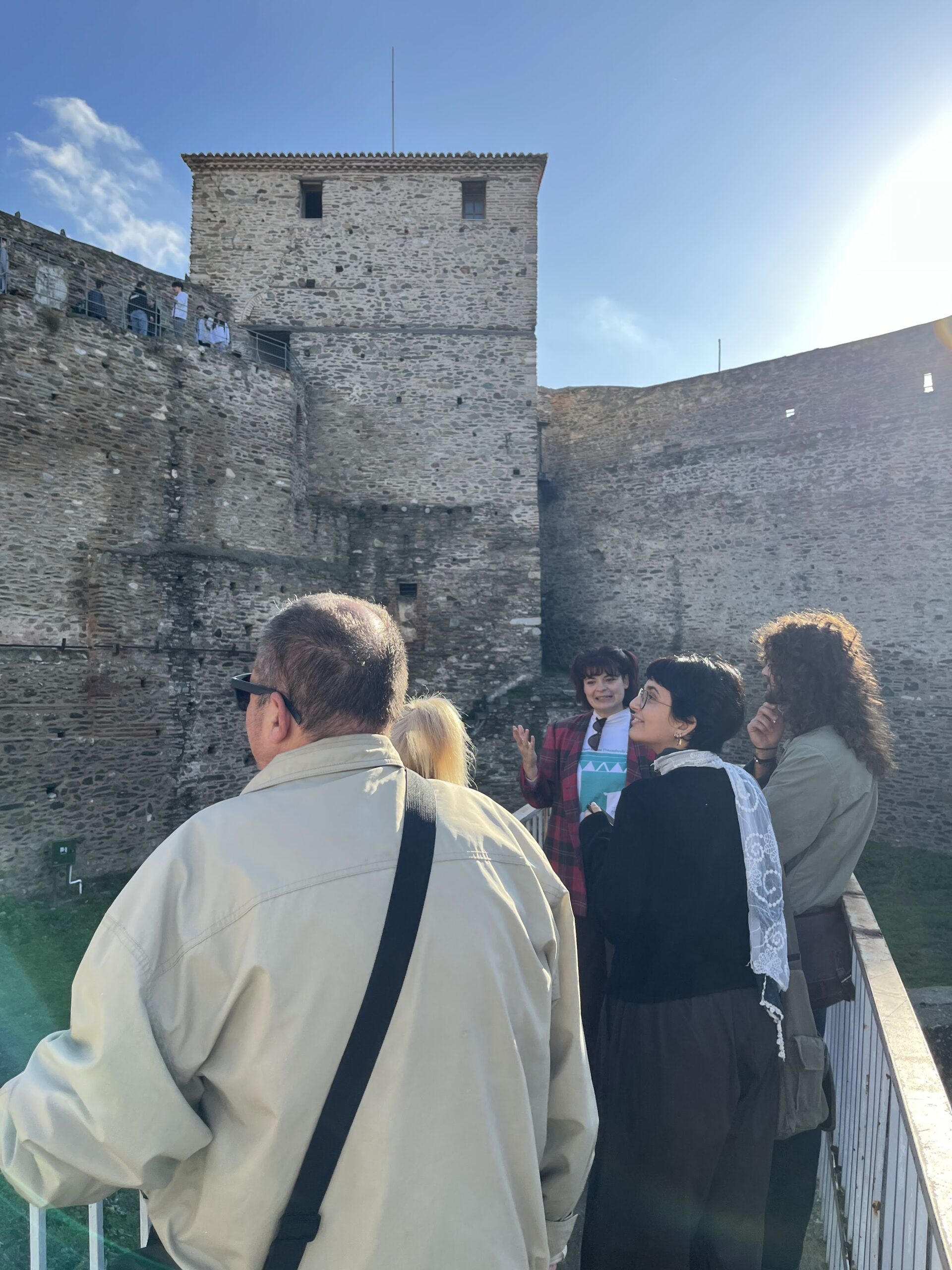
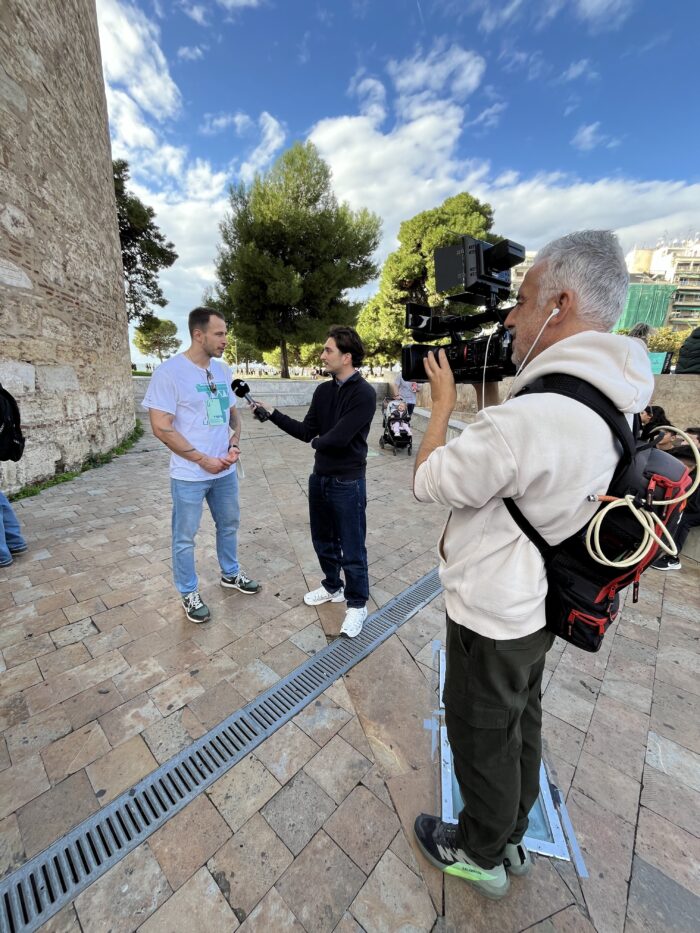
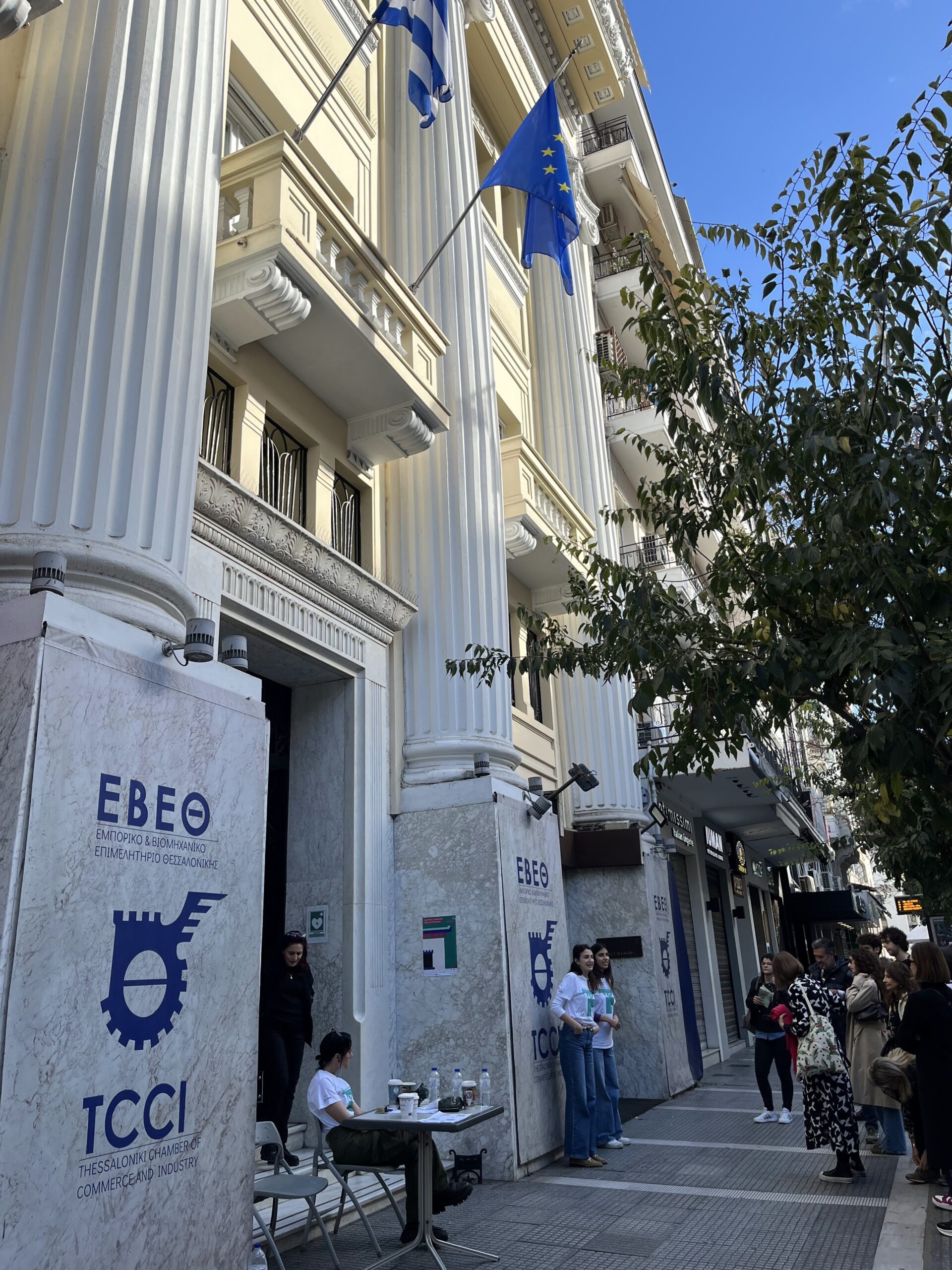
On the second festival day, I have the opportunity to help at the local equivalent of a chamber of commerce — a headquarters for business and networking. My tasks are similar, and I try to assist wherever needed. At the end of each tour here, a draw takes place and one participant from each group receives a beautifully illustrated book about the building’s history. In general, I appreciate that Greeks across all age groups speak English, and combined with their positive attitude, I truly enjoy my entire shift — so much so that I hardly notice how quickly time passes. Sunday evening arrives, and the whole festival concludes with a farewell party, where volunteers share their freshest impressions and experiences.
Someone mentioned that in January there would be a summit of all European Open House cities in Athens. Representatives from all sixteen cities were expected to gather and discuss the future of the festival. It sounded interesting, but January Athens was not in my calendar this time.
Volunteering within Open House makes sense if you want to experience a city differently — not just as a tourist, but as part of the event itself. To collaborate with locals, gain insight behind the scenes of the festival, and meet people from other countries who share similar interests. You can only gain a new and more open perspective 😊.
© Damián Weinhold
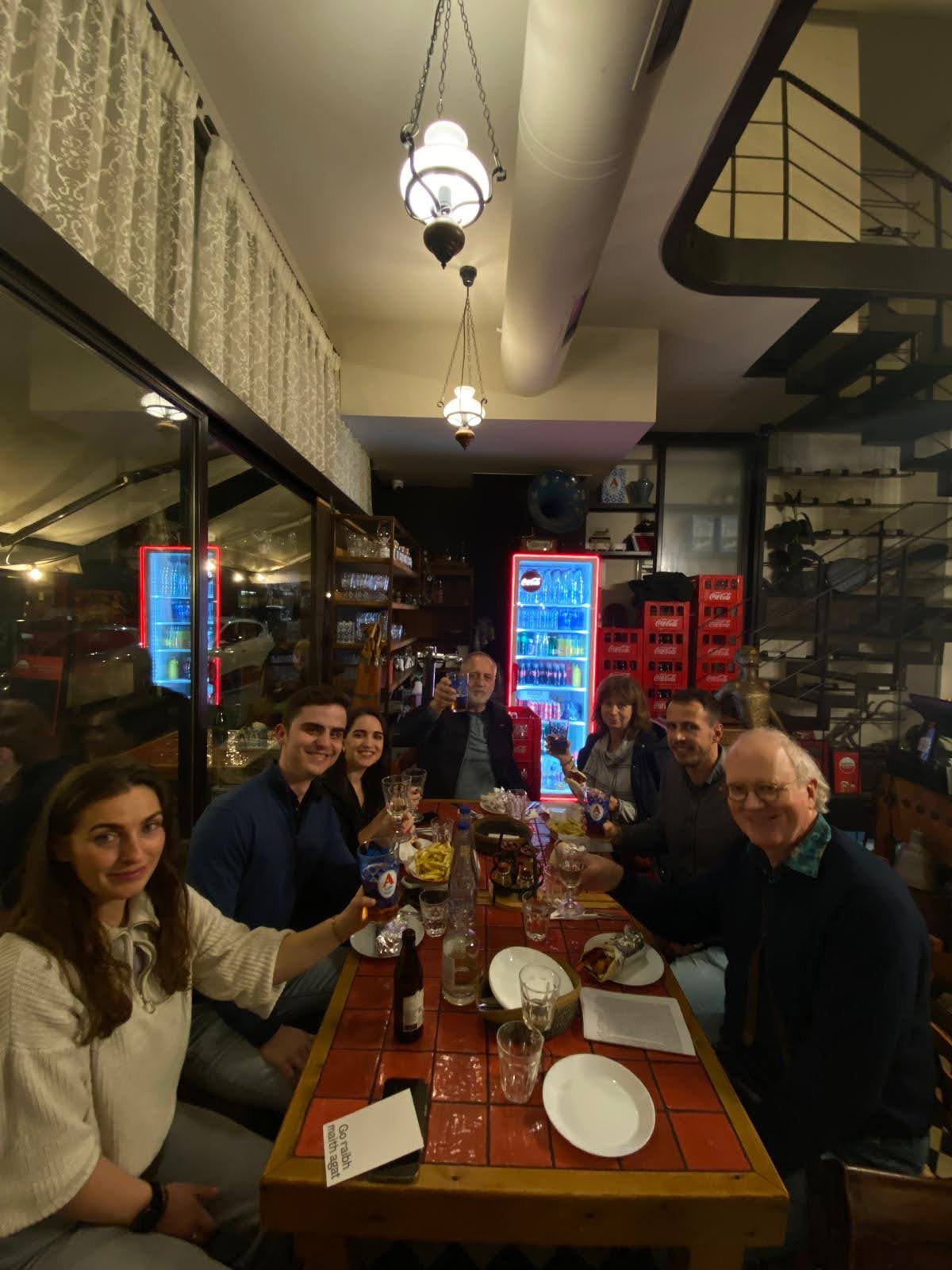
The volunteer exchange is part of the project Open House Europe.
Comments are closed here.